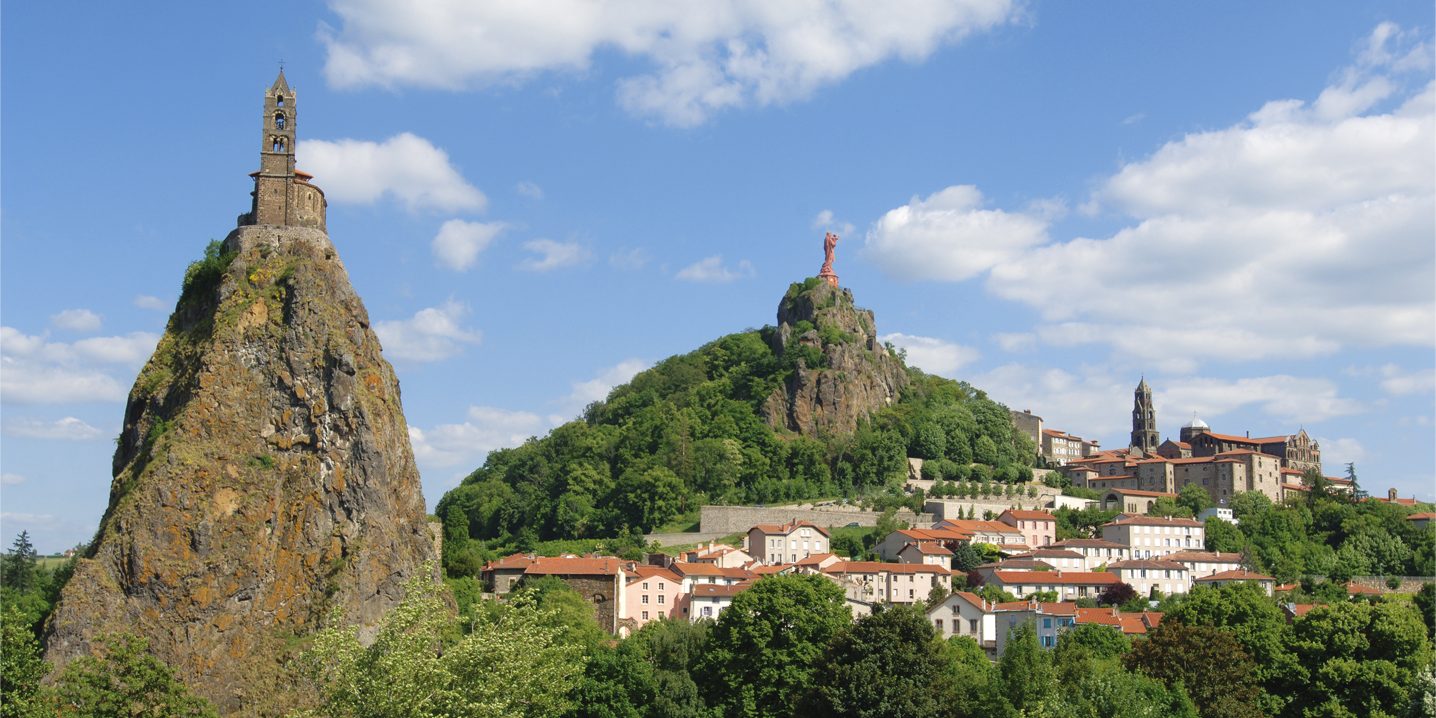
It all began in 1650 in a little village of Le Puy, France when six young women strongly felt God’s call to gather together, desirous of serving the women of the day in order for them to make a living. The founding Sisters formed a community of women who would love and serve their “dear neighbor.” They worked in orphanages and schools. They took care of the poor and the sick. The Sisters of St. Joseph were among the earliest communities of Sisters in church history that provided active ministry to the broader community outside the cloister. The Sisters did not escape the French Revolution. The hierarchy of the Catholic Church was closely aligned with the monarchy and therefore became a target of the revolutionaries. The Sisters were suppressed by the government and were pressured to take a constitutional oath to the state which would place their loyalties above the church. Taking this oath was unthinkable to Mother St. John Fontbonne and she refused, followed by the other Sisters until they were expelled. She, along with four other Sisters, were imprisoned and given a date for execution. It was at this time that five of our Sisters were to be beheaded at the guillotine for refusal to pledge loyalty to the state. The Sisters were eventually freed, with the exception of two who met their death at the guillotine. The Congregation was restored by Mother St. John Fontbonne in Lyons, France several years later. |
The Bishop of St. Louis wrote to Mother St. John and requested some Sisters of St. Joseph to come to the United States to open a school for poor children. In 1836, nearly two centuries after their founding in France, six Sisters volunteered and came to Carondolet, Missouri. From there, the Sisters moved to many parts of the United States and Canada.
|
The Congregation of the Sisters of St. Joseph of Springfield was founded in 1883 following a request by the pastor of St. Patrick’s in Chicopee Falls. He needed help starting a parish school, so Mother Mary Cecilia Bowen and six others traveled from the Brentwood Congregation and shortly thereafter moved to the Springfield area. The small community grew slowly but steadily while educating poor immigrant children in central and western Massachusetts and Rhode Island. By the mid 1960’s, the ranks of the Springfield Congregation swelled to over one thousand women. The group had founded or staffed sixty schools and had established the Elms College. |
|
Following the Second Vatican Council, the Sisters restructured their community life. Many moved out of convents and into small houses and apartments in local towns and cities. Their ministries expanded as well. No longer limited to schools, the Sisters worked in prisons, parishes, homeless shelters, healthcare, and other social services.
|
|
In the mid 1970s, the Sisters of St. Joseph of Fall River merged with the Springfield Congregation. In 2001, Sisters of St. Joseph of Rutland, Vermont joined the community. As a result of the two mergers, the Sisters of St. Joseph of Springfield served the Springfield diocese, Worcester diocese, Rhode Island, Vermont, Louisiana, Kenya, Tanzania, Burkina Faso, Haiti and Jamaica in the past. Today, the Springfield Congregation continues to serve the people of God through prayer and supporting ministries that serve the dear neighbor without distinction. |